Table of Content
There’s a difference between cleaning wipes and disinfectant wipes. Disinfectant wipes have been around for several years, but their demand has increased by six folds ever since the world got hit by the COVID-19. People who never thought about disinfecting their homes started doing so impulsively to keep themselves and their families safe from the deadly COVID-19.

Because of these invisible invaders, you must clean your home with a disinfectant. You’d be surprised where harmful germs are lurking. They cling to nearly all household surfaces, but they can also be present in the air you and your family breathe. These wipes do not include any bleach or Clorox, but they have all the cleaning power thanks to rubbing alcohol and Dawn Dish soap.
Homemade Disinfecting Wipes
If you're using disinfectant wipes of any kind, be sure you're in a well-ventilated area. If your disinfectant wipes are made with bleach, never use them with ammonia or other chemicals. It's increasingly difficult to find disinfectant wipes on store shelves during the coronavirus pandemic, but we need them more than ever to avoid getting sick. The CDC has specific guidelines for disinfectants, and they're especially important to remember in the COVID-19 crisis. Open the lid of the container and pour the portion of disinfectant liquid you saved from the first step. Pour it over the wipes to ensure that all the wipes are adequately wet.
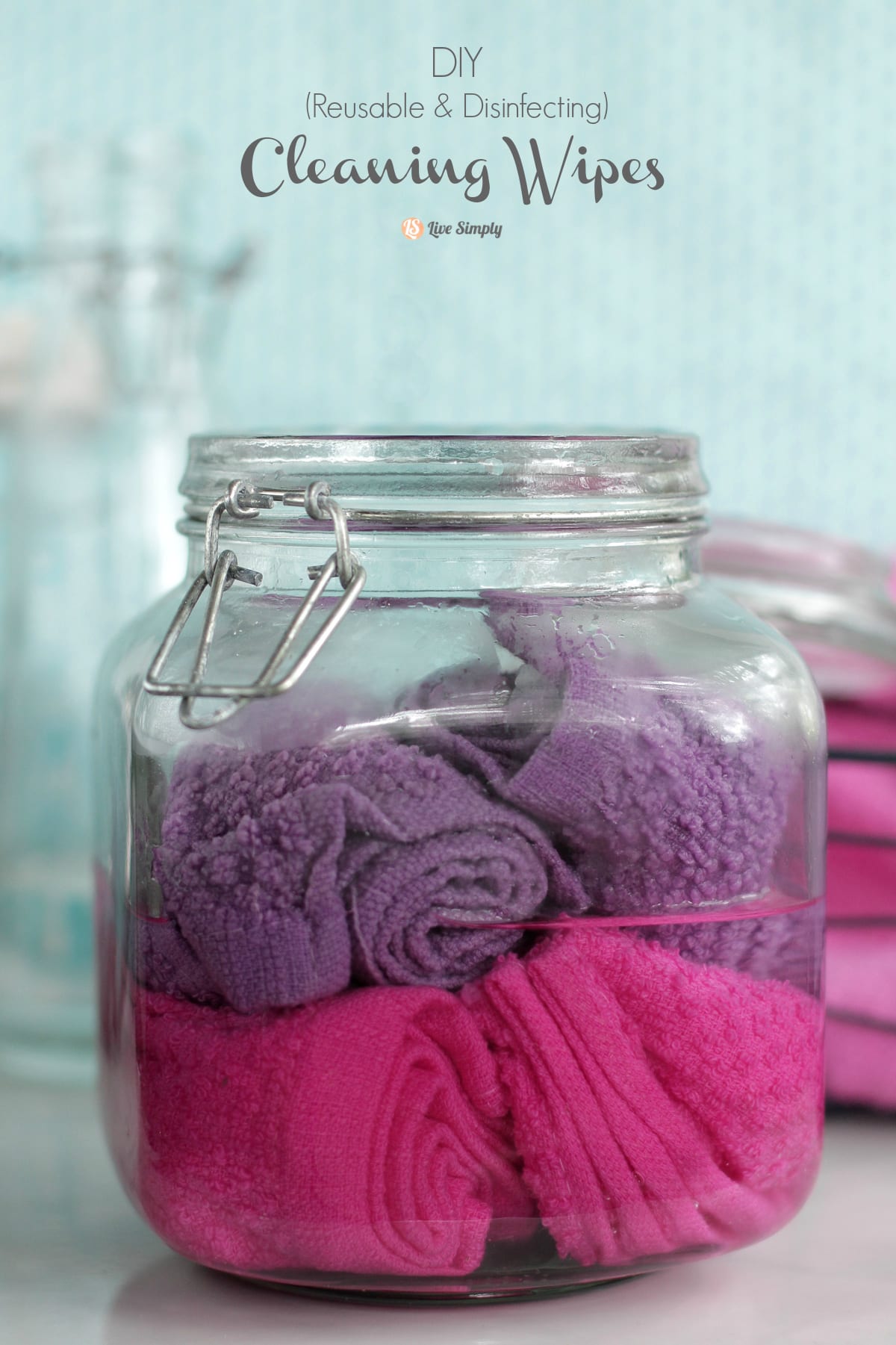
Regular 2-ply paper towels with perforations are perfect for this project, since you can easily tear away 1 wipe at a time. If you plan on cleaning up tough messes, go with 3-ply paper towels. Each essential oil has unique properties that make the disinfectant solution effective. You can add all or some of these essential oils, as per the availability. You might see disinfectant recipes that use vinegar.
.By using this service, some information may be shared with YouTube.
Avoid using bleach products on natural stone or stainless-steel surfaces. These wipes are handy to use on doorknobs, handles, and other germ collectors that are often forgotten. If you want to make some disinfecting wipes in a hurry and can’t find anything else, go to your liquor cabinet. Did you know that vodka at least 120 proof can kill bacteria and viruses in your home?

If you're using hydrogen peroxide, be sure that whatever container your wipes are in are dark-colored and opaque. Make sure that the wipe is moist with disinfectant liquid. Don’t dry the disinfected surface with a dry cloth. Alcohol is volatile, and it’ll take only a few seconds to a minute for the surface to dry completely. Prepare the solution in a large vessel and then transfer part of it to an air-tight container that’s large enough to hold 30 to 40 paper towels.
Homemade “Lysol” Disinfecting Wipes – Astonishing when merged with alcohol
You can use peppermint, lavender, or lemon as a replacement as per your preference. The 70% rubbing alcohol shouldn’t be replaced by 90% as it evaporates in a much lesser time and as a result, lacks to deliver standard results. Stir together all the ingredients and pour over it inside of a container or jar.
Allow the paper towels to soak in the solution overnight. Let the paper towels sit for 12 hours, or overnight, so that the cleaning solution can soak into the paper thoroughly. The paper products that you use to make the wipes should be strong enough to stand up to cleaning while they are wet.
It’s recommended that you pour more liquid than the wipes can absorb so that some liquid is left at the bottom of the container. There’s nothing quite as satisfying than having a home that is sparkling clean. As you survey each room, you feel pleased that they are clutter-free, and all surfaces are dustless and pristine. It’s what you don’t see that maybe the problem, even in a spotless house. Don’t pick apart a good idea, if it sanitizes, what do you care ‘what’ it’s called ????

Toilet paper, cleaning supplies, and face masks aren’t the only things in short supply right now. Disinfectant wipes for sanitizing the surfaces of your home—and your hands—have also been harder and harder to get these past few weeks. If you're using Lysol, alcohol or another disinfectant instead of bleach, simply follow their label's disinfectant dilution ratio instructions for the solution.
Water could dilute them and lower their effectiveness, so adding more solution is your best bet in this case. If your wipes are drying out frequently, consider using a better, more airtight container. If you used cotton cloths or individual paper towels, grab the wipe on top. “Both alcohol and bleach are effective at disinfecting, but alcohol is better for smaller surfaces—while bleach kills a wider range of viruses and bacteria,” he says. After chatting with the health experts, we’ve got all the details on how you can make your own disinfectant wipes at home. Here’s the scoop on everything you’ll need to create a full supply of DIY cleaning wipes during quarantine.
Hi, I’m Jordan – homeschooling mama to a handful of sweet kiddos. Our food, homes & personal care products are loaded with sneaky toxins. Due to the presence of only natural ingredients, cleaning with these disposable wipes should not pose any immediate risk. However, it is best to be cautious of any potential allergies just in case. Store the container in a place where it’s always handy, like your kitchen countertop. You can also add a label to the container to avoid any confusion or mishaps.
Disinfecting wipes like those from Lysol and Clorox in a pop-up canister or pouch are convenient and simple to use and, if used correctly, kill most bacteria on hard surfaces. If you like to make your own cleaning products, you can make disinfecting wipes at home with just a few simple ingredients. Remember to wear rubber gloves when cleaning with bleach-based disinfectant wipes.
You can also collect countless germs and viruses on your cell phone, so be sure to disinfect all these technological gadgets. If you are like most people, your strictest attention goes to the kitchen and bathroom when you’re cleaning your house. Although you may scrub your kitchen from top to bottom, rouge microbes may be hiding in places you never imagined. Studies indicate that we share our abode with billions of bacteria and viruses.
Homemade antibacterial wipes – the natural remedy
Bleach effectively kills germs and viruses on contact. The only downside to using chlorine bleach is that it has a strong smell, can be corrosive to some surfaces, and is dangerous if accidentally mixed with other compounds. If you have a round container, you may be able to cut a roll of paper towels in half and remove the inner cardboard core to create a "pull-from-the-center" roll of wipes. Bleach is another powerful disinfectant that's recommended by the CDC for use against the coronavirus, but it requires special care when using. The harsh chemical can discolor clothing and irritate your skin, eyes, and nose. You should always wear rubber gloves and ensure the area is well-ventilated when working with bleach, including when making and using DIY disinfectant wipes.
After that time, you’ll need to make a new batch of diluted bleach every time you want to use disinfectant wipes. Baby wipes, anti-bacterial wipes that aren’t alcohol-based, and botanical or essential-oil based wipes are not effective for killing the coronavirus. Wait until the liquid is absorbed and pour in the rest. You may need to add a bit more alcohol if the towels are not fully wet.


No comments:
Post a Comment